
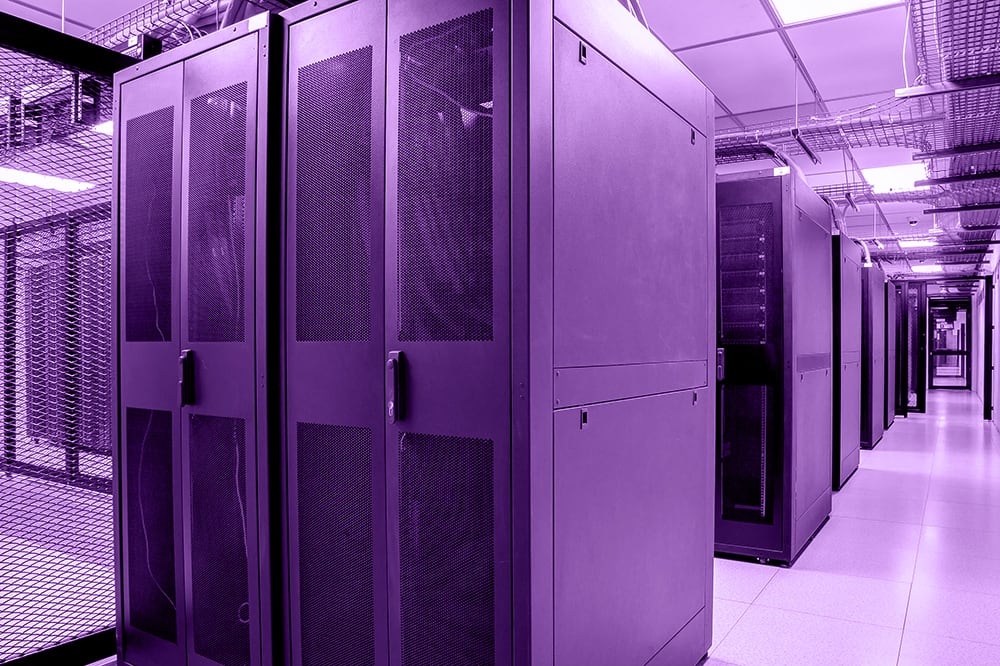
- Escaping corporate surveillance: Investigative newsrooms are abandoning big tech cloud servers to prevent commercial providers from logging whistleblower metadata and complying with secret government subpoenas.
- Adopting physical sovereignty: Media organizations now rely on self-hosted hardware, air-gapped workstations, and tools like SecureDrop to keep sensitive source archives entirely under their own legal and technical control.
- Overcoming infrastructure hurdles: While self-hosting eliminates third-party exposure, high maintenance costs and power demands are driving outlets to build pooled, community-governed data alliances.
Investigative newsrooms globally are pulling sensitive whistleblower archives off commercial cloud platforms like Google Drive, Dropbox, and Amazon Web Services to run on self-hosted physical servers. According to research and technical audits conducted by the Journalism Cloud Alliance—launched in April 2024 by the Global Forum for Media Development and the Organized Crime and Corruption Reporting Project—investigative and data newsrooms spend between 15 and 20 percent of their budgets on technology, with costs projected to double as data troves grow. Beyond rising vendor fees, commercial cloud providers hold technical access to unencrypted metadata and remain legally bound to comply with extraterritorial subpoenas and secret government disclosure orders.
Why Commercial Clouds Fail Investigative Source Protection
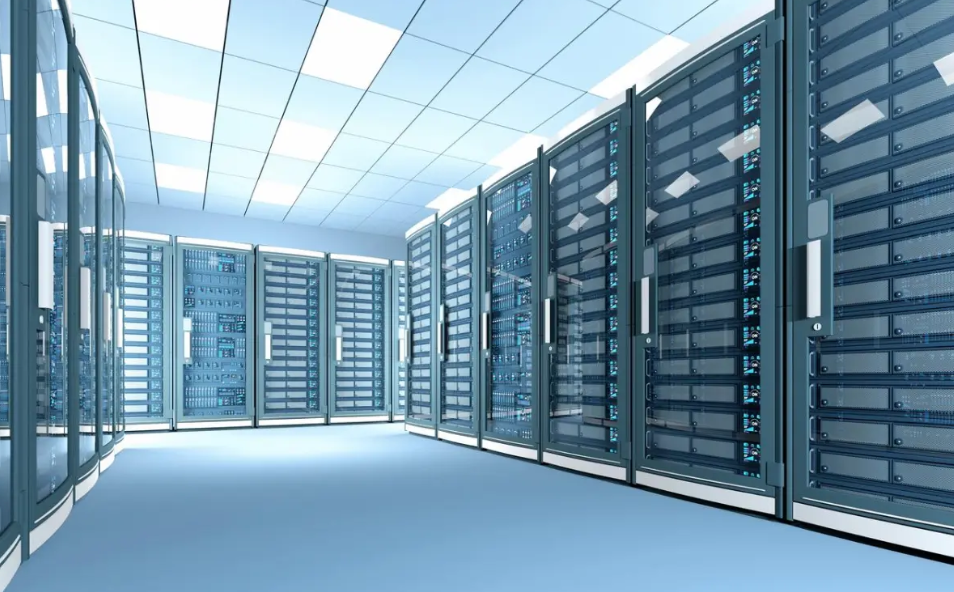
Standard cloud storage systems log user IP addresses, upload timestamps, and account connections even when file contents are encrypted at rest. Under laws like the U.S. CLOUD Act, major technology firms headquartered in the United States can be compelled to turn over files stored on overseas servers without notifying the newsroom or its sources. To eliminate this third-party exposure, over 60 global news organizations—including The Washington Post, The Guardian, and the Organized Crime and Corruption Reporting Project—rely on SecureDrop, an open-source submission system managed by the Freedom of the Press Foundation that runs exclusively on dedicated, newsroom-owned hardware over the Tor anonymity network.
For media houses in Lagos, Accra, and Abuja, treating commercial cloud storage as a neutral filing cabinet is a dangerous assumption. When a reporter uploads leaked procurement contracts or banking records to a mainstream drive, that convenience hands a subpoena target to a foreign corporation whose commercial incentives have zero alignment with press freedom. Self-hosting shifts the legal front line back to the newsroom's own doorstep, forcing state agencies or corporate litigants to serve warrants directly on the publisher rather than quietly harvesting metadata from a Silicon Valley server farm.
Air-Gapped Workflows and Local AI Processing
Modern sovereign newsroom setups separate leak intake from daily internet-connected editing desks through strict physical isolation. Under standard SecureDrop architecture, sources receive a randomly generated codename over a Tor hidden service without creating an account, while journalists transfer encrypted submissions via two dedicated USB drives onto an air-gapped workstation that never connects to the internet and wipes its memory upon reboot. For internal document indexing and transcription, investigative teams increasingly run open-source storage platforms like Nextcloud alongside local artificial intelligence models on in-house servers rather than feeding confidential PDFs into commercial cloud AI tools.
The catch is that owning your hardware does not automatically make your newsroom bulletproof. Self-hosting trades third-party surveillance risk for internal maintenance liability. In May 2026, security researchers at Cybernews uncovered an unauthenticated Elasticsearch database operated by Nextcloud GmbH containing roughly 367,000 internal and client records due to a hosting misconfiguration, proving that even privacy-focused software ecosystems fail when server administration slips. If an understaffed newsroom in Kumasi or Ikeja spins up a local Linux server without a dedicated systems administrator to patch vulnerabilities and audit access logs, it simply replaces a sophisticated cloud provider with an easy target for local hackers.
Why are investigative newsrooms moving away from big-tech cloud storage?
Investigative newsrooms are adopting self-hosted servers to stop third-party cloud providers from exposing whistleblower metadata, complying with secret government subpoenas, and imposing steep vendor lock-in fees. By keeping physical servers and encryption keys inside the newsroom, editors retain direct legal and technical control over confidential source documents.
The West African Infrastructure and Cost Reality
Across West Africa, media organizations have tested collaborative digital infrastructure to protect sources operating under political pressure. In November 2017, the Premium Times Centre for Investigative Journalism—now the Centre for Journalism Innovation and Development led by Dapo Olorunyomi—partnered with the Coalition for Whistleblower Protection and Press Freedom to launch Leaks.ng, a shared whistleblowing portal for Nigerian media. Meanwhile, outlets like Premium Times have repeatedly faced targeted digital attacks following major state accountability reports.
Running sovereign hardware in West Africa introduces practical friction. Maintaining an on-premises server cluster in Abuja or Accra requires uninterrupted power backup, reliable cooling, and high-bandwidth fiber redundancy—expenses that drain grant-dependent budgets. Solo self-hosting is financially unrealistic for small independent outlets; the smarter path is pooled infrastructure following the Journalism Cloud Alliance's community-governed cloud exchange, established in 2026 in The Hague. By sharing vetted regional data centers and security engineers, West African newsrooms can escape big-tech lock-in without drowning in solitary hardware maintenance.
Balancing Digital Autonomy With Operational Discipline
As newsrooms prepare for high-stakes accountability reporting—including expanded verification operations ahead of Nigeria's 2027 general elections—infrastructure sovereignty is becoming an editorial necessity. Relying on free consumer cloud tiers leaves years of investigative evidence vulnerable to sudden account suspensions, algorithmic terms-of-service flags, or quiet data requests.
Real independence requires treating server architecture with the same rigor as source verification. Newsrooms that survive state pressure and rising tech bills will combine offline decryption protocols with shared, cooperatively funded server infrastructure, building a mission-aligned technical backbone for independent media worldwide.