
ACCRA — The Bank of Ghana kept its benchmark interest rate unchanged at 29 percent on Friday, August 14, 2026, pointing to steady currency performance and a gradual cooling of consumer price pressures. Central Bank Governor Ernest Addison announced the decision during a press briefing in Accra, noting that while domestic economic growth has shown resilience during the third quarter, maintaining current monetary tightness remains necessary to anchor inflation expectations firmly within the target band. The decision aligns with broad consensus among financial analysts who anticipated a pause following months of aggressive tightening.
Data presented by the central bank indicated that headline inflation eased to 21.4 percent in July, down from earlier spring highs, supported by improved food supplies and relative stability in the foreign exchange market. The Ghanaian cedi has maintained a steady trading range against major international currencies over the past two quarters, bolstered by sustained export receipts from cocoa and gold alongside inflows from multilateral financial partners. Commercial banks across Accra reported stable liquidity levels following the announcement, with lending rates holding steady for corporate and retail borrowers.
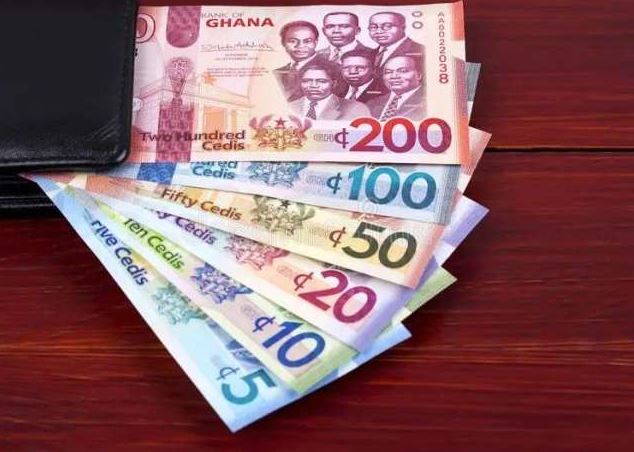
Despite the positive trajectory, Governor Addison cautioned that global supply chain risks and volatile energy import costs continue to pose external threats to domestic price stability. Business associations welcomed the decision to hold rates steady, arguing that an immediate hike would have constrained private sector expansion. The central bank will monitor monthly retail and wholesale price indices closely as harvest season metrics develop through the autumn months.
Why did the Bank of Ghana decide to hold its interest rate at 29 percent?
The Bank of Ghana held its benchmark interest rate at 29 percent because recent data shows headline inflation moderating toward target levels while currency exchange rates remain stable. Keeping borrowing costs steady allows monetary authorities to consolidate recent economic gains without stifling ongoing commercial credit growth.
The Monetary Policy Committee is scheduled to convene for its next rate review meeting on September 25, 2026.