
Nairobi, Kenya — August 29, 2026 — Heavy tourist congestion across prime East African safari reserves has triggered an immediate shift in traveler demand toward lesser-known wilderness circuits. Conservation groups and safari operators reported mounting visitor pressures throughout July and August 2026, forcing a reevaluation of traditional wildlife viewing hotspots.
The annual Great Migration across the Serengeti-Mara ecosystem drew unprecedented volumes of safari-goers this season. Dozens of safari vehicles frequently crowded single river crossings in the Masai Mara and northern Serengeti, prompting widespread criticism regarding wildlife disruption and diminished travel experiences.

Ecosystem Pressures and Regulatory Responses
Environmental authorities in Kenya and Tanzania face acute challenges in managing tourist density without choking vital foreign exchange revenues. High volumes of traffic along fragile riverbanks have altered predator-prey dynamics and scattered herds prematurely.
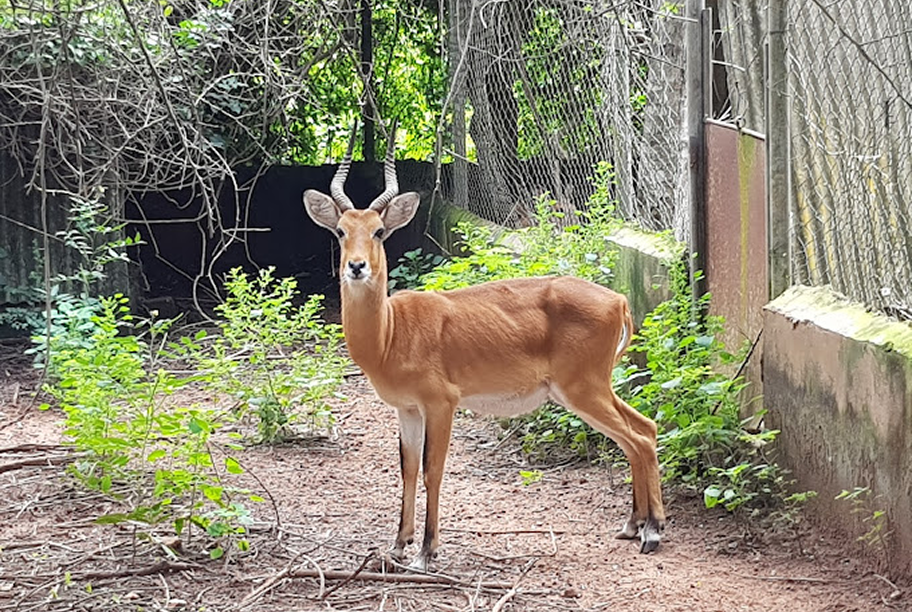
In response, park management boards implemented stricter vehicle caps and zoning rules in high-traffic sectors. Tour operators increasingly redirect clients toward private conservancies and shoulder-season windows to minimize ecological degradation.
Rise of Alternative African Destinations
Frustrated by gridlock at traditional wildlife hotspots, international travelers increasingly explore alternative regional itineraries. West African cultural hubs and Southern African reserves report steady inflows as a direct result of safari saturation in the east.
Tourism boards across alternative destinations capitalize on this behavioral shift by promoting heritage tours, community-led conservation projects, and open landscapes with lower visitor densities. Industry analysts predict this decentralization will permanently alter long-haul travel patterns across the continent.
Economic Stakes and Future Outlook
While diversification relieves pressure on flagship parks, regional tourism ministries must upgrade infrastructure in secondary reserves to maintain service standards. Industry stakeholders emphasize that balancing conservation with commercial growth requires strict enforcement of carrying capacities.
The African Travel and Tourism Association scheduled its next regional stakeholder summit to address sustainable capacity management for October 15, 2026.
What drove the recent shift away from traditional East African safari hotspots?
Severe vehicle congestion, overcrowded river crossings, and environmental strain during the peak migration season drove travelers to seek quieter alternatives. Increased demand for ethical, low-impact wildlife viewing and strict vehicle caps in major parks accelerated this structural shift toward private conservancies and secondary destinations.
The regional stakeholder summit is scheduled for October 15, 2026.