- Ghana Curriculum Overhaul: The National Council for Curriculum and Assessment introduced a revised basic school framework focused heavily on strengthening foundational literacy, numeracy, and student transition rates.
- Nigeria Digital Integration: The Federal Ministry of Education launched the National Education Data Infrastructure to systematically map millions of learners and improve resource allocation across public academies.
- Regional Operational Alignment: Both nations are enforcing synchronized academic calendars and standardized term dates to maximize instructional time and streamline secondary school operations.
Accra — K-12 education systems across West Africa are experiencing sweeping strategic shifts as educational authorities in Ghana and Nigeria implement major institutional reforms. Government ministries and curriculum review bodies are actively restructuring basic and secondary schooling frameworks to address foundational literacy and digital data integration.
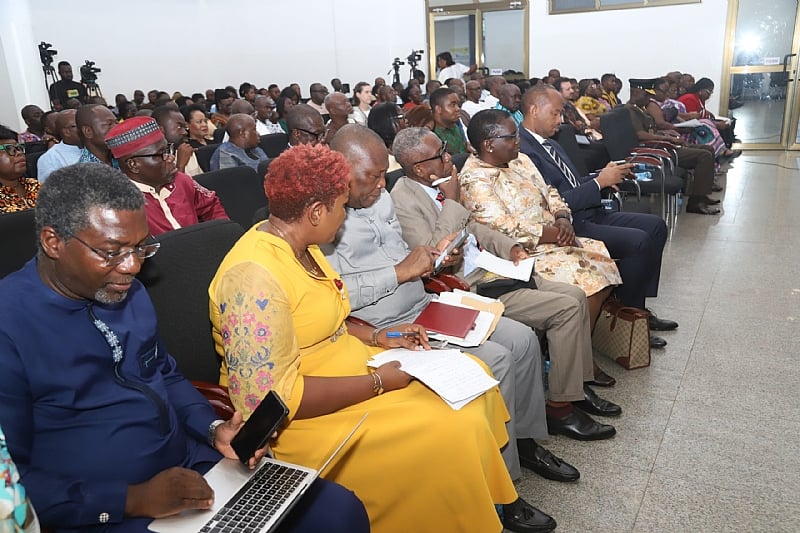
Educational administrators meeting across regional capitals emphasize that aligning classroom instruction with modern digital infrastructure is critical for long-term student success. The following key subtopics examine the primary developments shaping basic and secondary education across the region.
Ghana’s Basic Curriculum Review and Foundational Literacy
The National Council for Curriculum and Assessment (NaCCA) recently presented a comprehensive revised basic school curriculum to Ghana’s Ministry of Education. The review aims to curb curriculum fragmentation while retaining core educational standards.
Educational experts stress that strengthening foundational literacy and numeracy across primary and junior high schools remains paramount for improving student transition rates into senior high institutions.
Nigeria’s National Education Data Infrastructure and Digital Rollouts
In Nigeria, the Federal Ministry of Education has advanced ambitious sector renewal initiatives focusing on digitalization and quality assurance. Through the National Education Data Infrastructure, millions of learners and thousands of schools are being systematically mapped.
These technological integrations aim to streamline school planning, improve resource allocation, and expand digital learning access across public academies.
Structured Academic Calendars and Regional School Operations
Educational authorities continue to enforce synchronized academic calendars to maximize instructional time across basic and secondary levels. Standardized term dates and mid-term breaks help school administrators manage curricular delivery effectively.
What are the major K-12 education trends across Ghana and Nigeria?
Major K-12 education trends across Ghana and Nigeria include foundational curriculum reviews, enhanced digital data mapping of public schools, standardized academic calendars, and targeted literacy interventions designed to improve student outcomes across basic and secondary levels.