
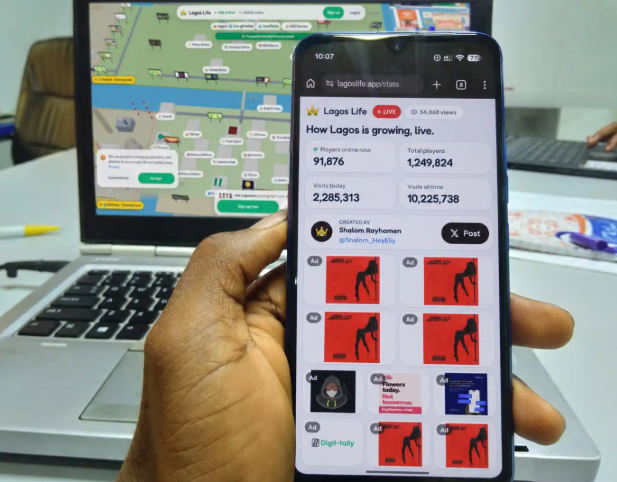
- Launched on Nigerian Independence Day, the browser-based simulation ’Lagos Life’ went viral globally without requiring app downloads, quickly expanding beyond Lagos to include Abuja and Port Harcourt.
- Economic class mechanics randomly sort players into either elite ’Nepo’ or constrained ’Lapo’ starting brackets, sparking widespread social media debates over realistic wealth disparities.
- Bypassing traditional microtransactions, the indie game generated $46,900 in its first four days through real-world corporate sponsorships and virtual billboard placements.
A simple web link changed the direction of West African indie gaming overnight. Nigerian software developer Shalom Rayhamen launched a browser-based life-simulation game called Lagos Life. The launch occurred on October 1, 2026, intentionally aligning with Nigeria's Independence Day celebrations. It immediately captured the attention of local internet users and global diaspora communities.
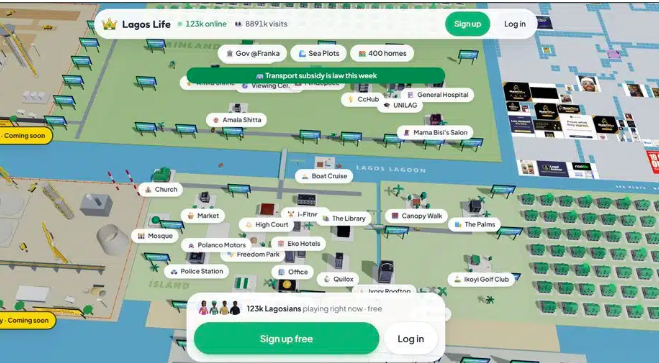
Players do not need an application download to play. They simply open a mobile or desktop web browser to build custom characters. The game forces avatars to navigate the blunt financial realities of Nigeria's commercial capital. Users struggle with simulated rent, commute via virtual transit systems, and balance energy levels across different social strata.
The Mechanics of Virtual Class Stratification
The simulation uses two distinct starting positions to mirror real-life economic hurdles. Players are randomly sorted into either the elite 'Nepo' bracket or the financially constrained 'Lapo' class. Nepo avatars access inherited wealth and deep corporate networks immediately. Conversely, Lapo avatars start with heavy microfinance debts and minimal capital. This stark class commentary sparked massive online arguments across platforms like X and TikTok.
The sudden influx of players strained standard web infrastructure. Peak hours recorded 145,443 concurrent players online at the exact same moment. Tens of millions of site views threatened to crash the system. Rayhamen quickly expanded the virtual boundaries. She added digital versions of Abuja and Port Harcourt to satisfy users demand outside of Lagos.
Monetizing Traffic Without Microtransactions
The indie project avoided traditional revenue pathways. It bypassed typical app store configurations, premium downloads, and hidden in-app purchases completely. Instead, the game relies entirely on real-world corporate partnerships. External brands rent virtual billboards and purchase specific digital plots embedded directly inside the active city map. The business community responded aggressively to the massive online traffic.
The revenue metrics verified the immediate success of this localized ad model. The platform generated 46,900 dollars in ad revenue within its first four days of operation. Total visits cleared 16.5 million hits during that exact same introductory window. This financial performance sparked serious conversations regarding the monetization potential of African internet products.
Why did this unique cultural tradition evolve across West Africa?
West African digital projects lean heavily toward browser-based deployment because high data costs and device storage limitations restrict large mobile application downloads. Local developers utilize accessible web links to bypass global app stores, delivering immediate cultural experiences directly to users while keeping data consumption low for mobile-first regional populations.
The design phase was surprisingly brief for a project reaching millions. Rayhamen grew up playing The Sims 3 and wanted to see a local version. She drew final inspiration from a previous local web project called Lagos Run which featured a traditional danfo bus. The developer built the core framework of Lagos Life solo over a single overnight coding session before releasing the link on October 1, 2026.