
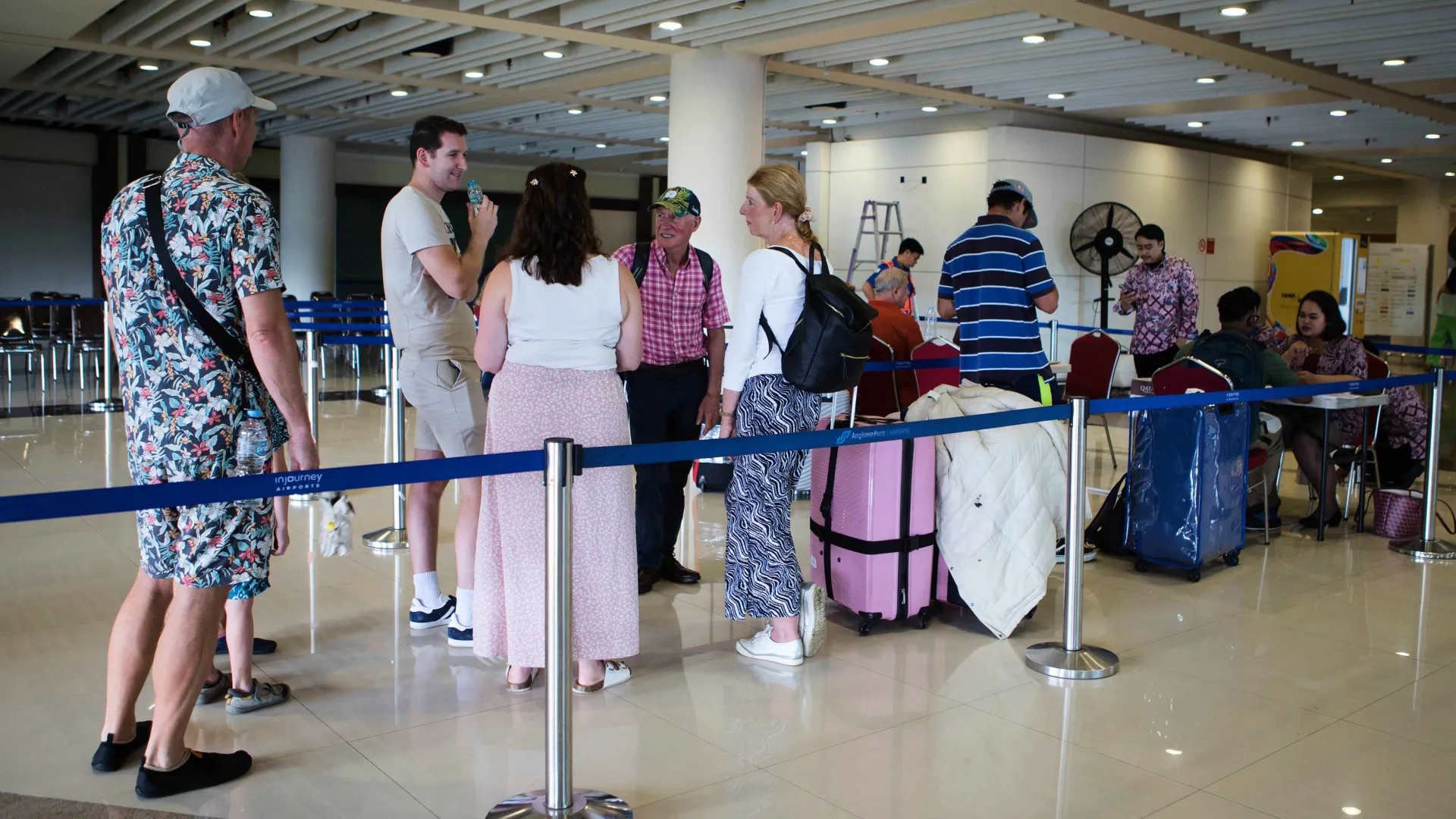
Nairobi, Kenya — August 30, 2026 — Aviation workers across Kenya launched a disruptive go-slow strike on Sunday, August 30, 2026, centering on Jomo Kenyatta International Airport in Nairobi. The industrial action, spearheaded by the Kenya Aviation Workers Union, immediately paralyzed standard flight schedules and stranded hundreds of local and international travellers across regional air hubs.
Union representatives confirmed that the strike stemmed from long-standing disputes regarding unfulfilled collective bargaining agreements, delayed remittance of agency fees, and stalled remuneration reviews involving the Kenya Airports Authority and the Kenya Civil Aviation Authority. Regional carriers scrambled to rebook passengers as average flight departures experienced severe multihour delays.
Regional Transit Hub Vulnerabilities
As the primary aviation gateway for East Africa, any operational halt at Jomo Kenyatta International Airport triggers immediate logistical shockwaves across interconnected continental flight routes. Neighboring regional carriers, including RwandAir, were forced to cancel scheduled connections due to acute air traffic control constraints in Nairobi.
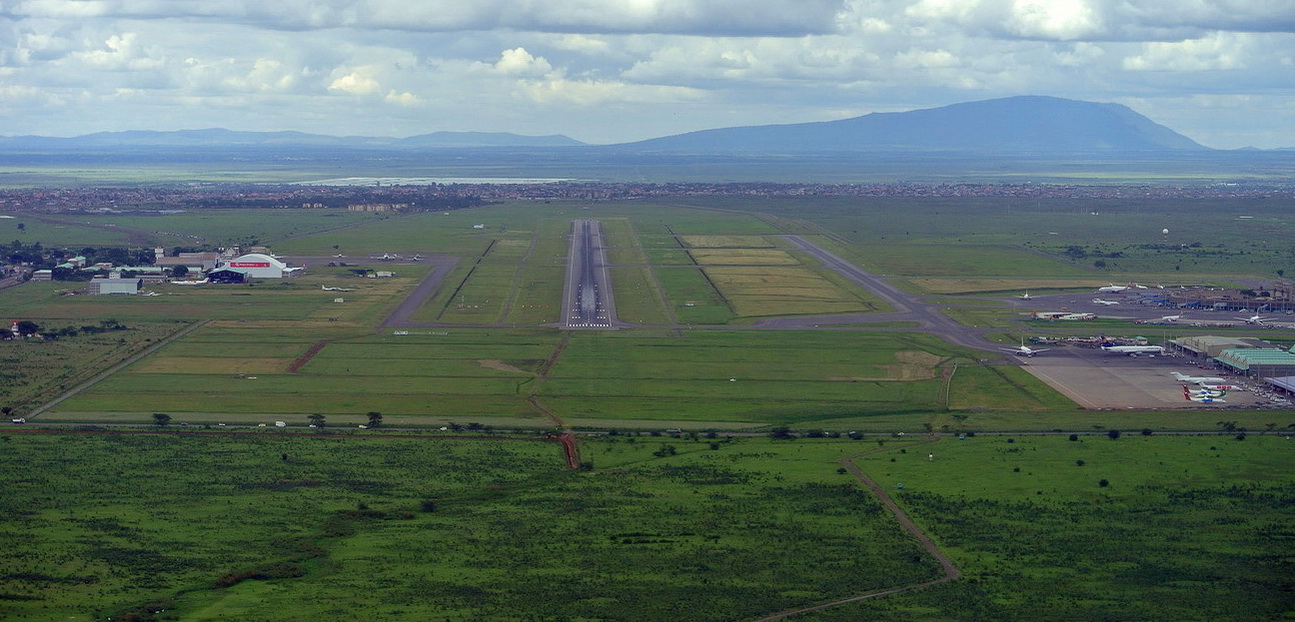
Business executives, cargo logistics providers, and tourism operators absorbed heavy financial losses as passenger backlogs mounted. The disruption underscored the fragile dependency that regional commerce places on continuous, uninterrupted airport administration and labor stability.
Return-to-Work Agreement and Remittance Terms
Intensive negotiations between state officials and union leaders culminated in a signed return-to-work framework on Tuesday, September 1, 2026. The settlement mandates the immediate release of withheld union agency fees by the Kenya Airports Authority and paves the way for fresh collective bargaining talks.
Furthermore, state authorities incorporated strict non-victimization clauses to protect participating employees from disciplinary retaliation. Both parties committed to resolving future disputes through formal arbitration rather than abrupt industrial shutdowns.
Restoring Operational Flow and Confidence
Airlines immediately initiated recovery schedules to clear the massive passenger backlog accumulated over the two-day standoff. Airport ground crews worked alongside terminal management to process stranded travelers and restore standard security and baggage workflows.
Restoring consumer confidence remains a pressing priority for tourism boards and trade ministries reliant on predictable international transit links. Regular flight operations across regional airports are slated to normalize fully by September 3, 2026.
What drove the aviation workers' strike at Jomo Kenyatta International Airport?
The aviation workers' strike was driven by long-running grievances over unfinalized collective bargaining agreements, delayed remittance of union agency fees by the Kenya Airports Authority, and disputes regarding remuneration terms governed by state advisory parameters.
Normal flight operations and regular terminal schedules are projected to resume fully by September 3, 2026.