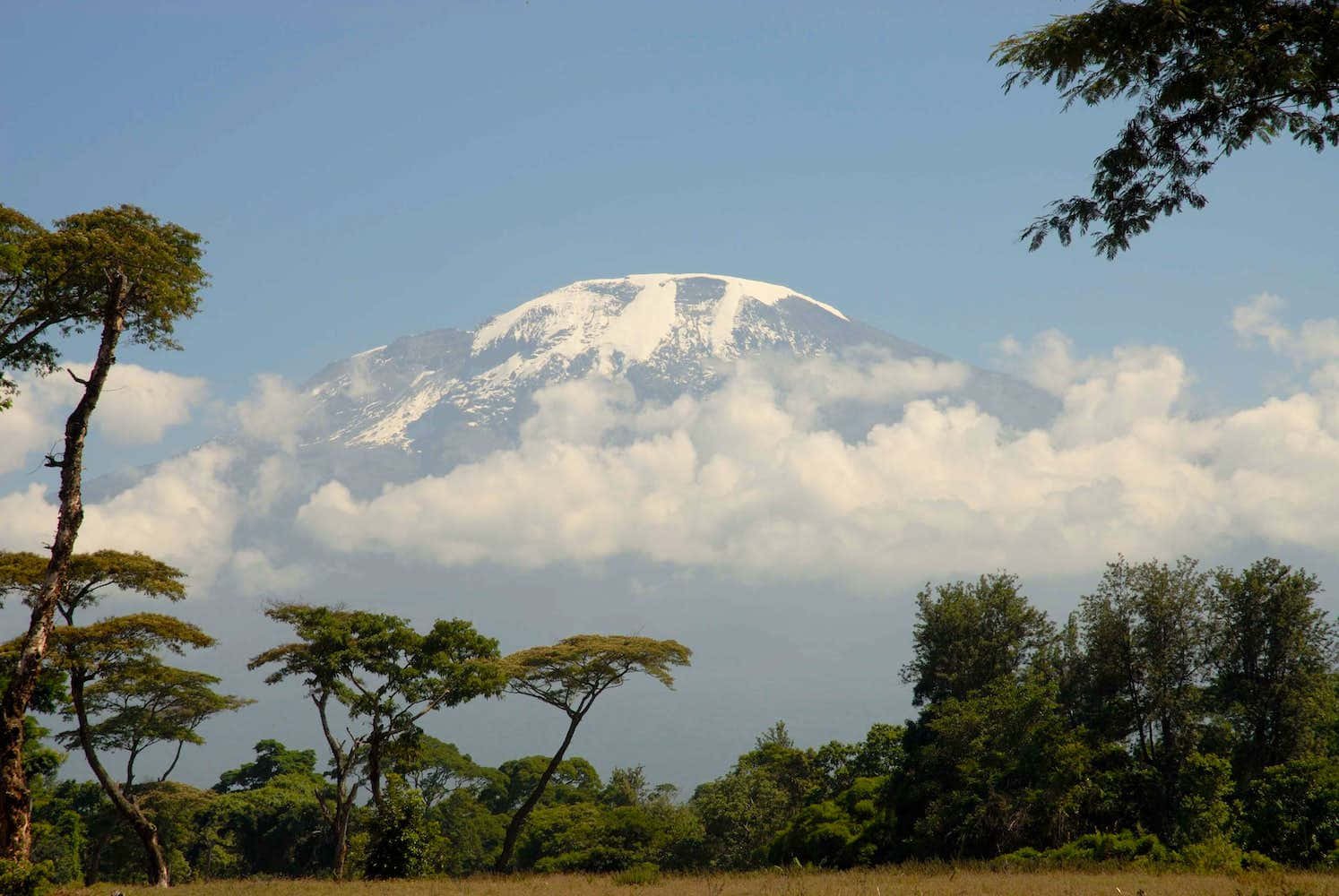
Moshi, Tanzania — August 29, 2026 — Key tourism stakeholders in Tanzania voiced intense opposition on August 20, 2026, against a resurrected proposal to install a commercial cable car system on Mount Kilimanjaro. The $74 million investment plan, promoted by state authorities seeking UNESCO clearance, has triggered widespread alarm across East Africa's adventure travel sector.
The resurrected controversy follows statements made on August 19, 2026, by Tanzania's Ambassador to France and Permanent Representative to UNESCO, Othman Yakubu, during an official visit to Kilimanjaro National Park. Ambassador Yakubu confirmed that park authorities are actively pursuing UNESCO approval for a designated transit route running from Machame Gate to Shira Station.
Porter Livelihoods and Economic Fallout
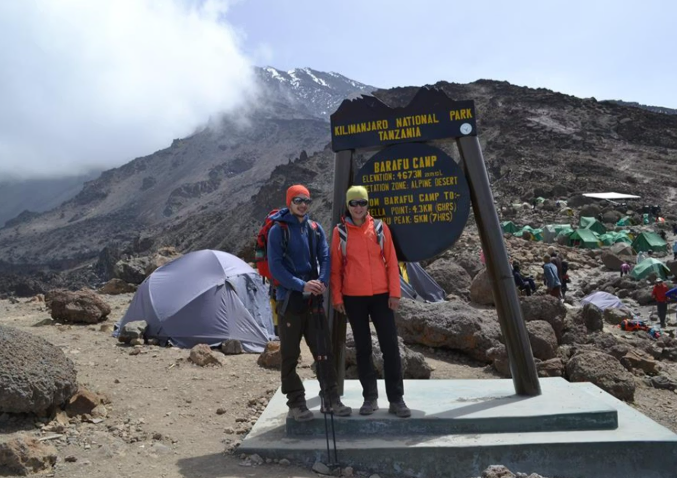
While park officials argue that mechanical transport will expand access for elderly visitors, children, and disabled travelers while streamlining emergency rescue operations, local labor representatives warn of severe economic devastation. Thousands of mountain porters, guides, and camp cooks depend directly on multi-day trekking expeditions.
Edson Mpemba, Vice-chairman of the Mount Kilimanjaro Porters Society, publicly warned that mechanical substitution threatens the basic survival of local families. Tour operators calculate that under the proposed fee structure, traditional economic distribution to local service providers would plummet, diverting most revenues to foreign investors.
Environmental Risks and Ecological Strains
Environmental analysts highlight critical resource bottlenecks tied to the proposed infrastructure. Operating up to 40 cable cabins would consume approximately 40,000 liters of water daily, placing immense pressure on fragile alpine watersheds.
Furthermore, stakeholders raised grave concerns regarding potential lubricant leaks, wastewater management, and structural degradation across the mountain's delicate climatic zones. Conservationists insist that altering the natural ascent routes compromises the authentic wilderness value that defines Africa's highest peak.
Stakeholder Alternatives and Policy Deadlines
Industry associations emphasize that the physical challenge of the climb constitutes the core asset of the regional tourism product. Rather than permanent cableway fixtures, operators suggest deploying specialized helicopters to handle emergency evacuations.
National park authorities scheduled further stakeholder consultations and environmental impact reviews to address mounting industry objections ahead of the final regulatory decision by November 30, 2026.
What drove the intense industry opposition to the Kilimanjaro cable car project?
Tourism operators and porter associations opposed the cable car project due to fears of massive job losses, reduced government revenue, and permanent environmental damage to the mountain's fragile ecosystem. Critics argue that mechanical transport destroys the multi-day trekking experience that sustains local communities across Moshi and surrounding regions.
The final regulatory decision is scheduled for November 30, 2026.