
CONAKRY, Guinea — A massive heap of refuse collapsed at the largest landfill in Guinea's capital, Conakry, killing at least 30 people on Sunday, August 23, 2026, following torrential overnight rainfall.
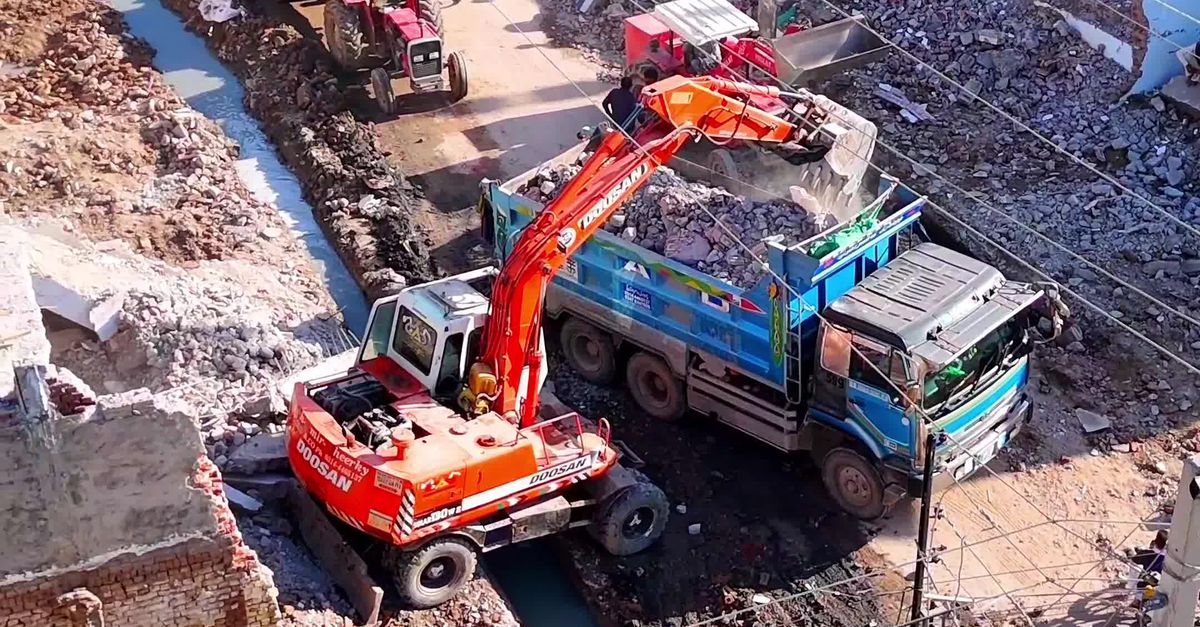
Government officials confirmed that the landslide struck the densely populated Gbessia commune around 3 a.m. local time, burying nearby shacks and precarious dwellings in the Dar-es-Salaam neighborhood. Emergency rescue teams, backed by heavy excavators, deployed to the site to comb through towering piles of debris where multiple families remained unaccounted for. Local authorities reported that at least six individuals sustained severe injuries and were transported to regional medical facilities for urgent trauma care.
Imminent Closure Orders and Safety Failures
The fatal disaster occurred less than a week after Guinea's Ministry of Territorial Administration announced plans to permanently close the hazardous waste site due to severe environmental risks. Local administrators had scheduled the formal shutdown for Sunday, August 23, aiming to relocate waste processing outside the urban center.

Human rights advocates and community leaders have long criticized the proximity of residential shantytowns to the massive dumping ground, noting that rapid urbanization and widespread poverty forced thousands of vulnerable citizens to build informal homes directly along the perimeter of the unmanaged landfill.
Government Response and Rescue Operations

Prime Minister Amadou Oury Bah visited the disaster zone on Sunday afternoon to coordinate rescue efforts and inspect the damage. The government issued a formal public appeal urging residents in surrounding zones to remain calm, avoid obstruction of emergency transit routes, and comply fully with instructions from civil protection units.
Rescue teams continue manual and mechanical searches through unstable layers of refuse, hampered by ongoing rain showers that threaten to trigger secondary mudslides across the unstable terrain.
Casualty Verification and Next Steps
Forensic teams have established temporary morgue stations near the Gbessia district to process recovered victims and assist grieving families with identification procedures.
The national emergency management committee is scheduled to release a comprehensive casualty audit and updated structural safety directives on August 27, 2026.
What caused the deadly landfill collapse in Conakry?
The disaster was triggered by relentless heavy overnight rainfall that destabilized a mountainous, unmanaged heap of refuse at the Dar-es-Salaam landfill in Conakry, Guinea. The resulting avalanche of waste swept down into the adjacent Gbessia commune, burying informal dwellings and trapping sleeping residents.
The catastrophic collapse occurred around 3 a.m. on August 23, 2026.
Official structural safety directives and updated casualty audits are scheduled for release on August 27, 2026.