Abuja, Nigeria — August 28, 2026 — The Nigeria Centre for Disease Control and Prevention announced that suspected cholera cases have crossed 65,000 across 35 states and roughly 195 local government areas. Director-General Dr. Jide Idris delivered the figures during an emergency press briefing in Abuja, noting that weekly numbers have fallen from earlier peaks.
Health authorities cautioned that despite lower fatality metrics compared to previous years, transmission remains active. Officials highlighted Borno State as the worst-affected region, where decentralized treatment facilities successfully improved patient survival outcomes during acute caseload spikes.
Rainy Season Vulnerabilities and Flooding Risks
Continuous downpours elevate contamination hazards across vulnerable municipal water systems. Heavy floods routinely compromise boreholes and overwhelm municipal sewage networks in densely populated urban settlements.
Epidemiologists warn that peak transmission cycles historically cluster between late August and October. State governments face immense pressure to chlorinate public water reserves and deploy rapid response medical teams to high-risk rural locations.
Structural Deficits in Public Sanitation
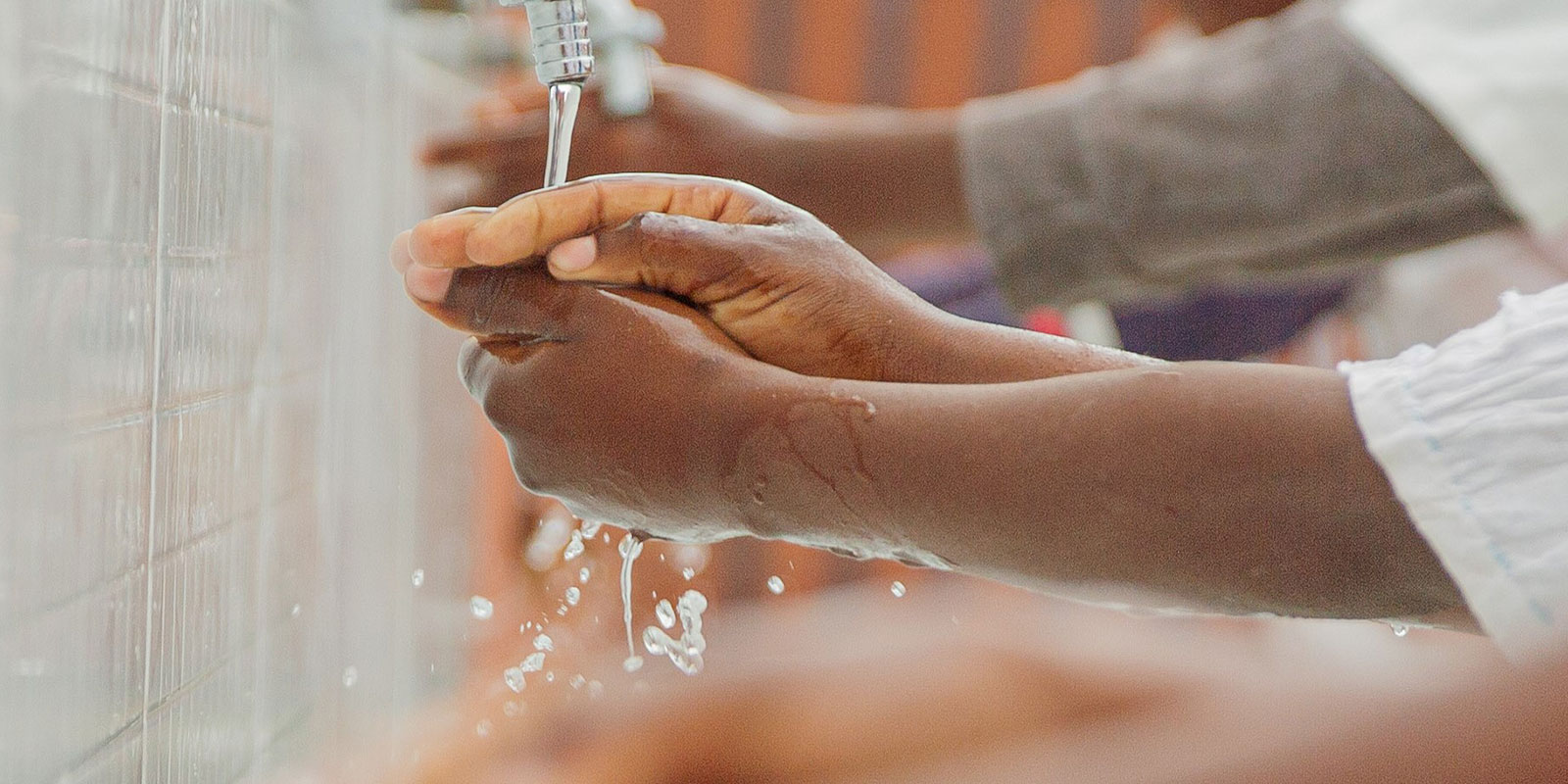
Medical experts emphasize that reactive treatment fails to resolve systemic sanitation deficiencies. Unsafe drinking water, widespread open defecation, and damaged distribution pipelines continue to fuel persistent regional outbreaks.
Public health administrators demand immediate capital investments in clean water infrastructure for schools, traditional markets, and public institutions. Sub-national entities must prioritize community hygiene education to dismantle long-standing vectors of transmission.
Intervention Strategies and Sub-National Ownership
Federal agencies coordinate oral cholera vaccination campaigns alongside aggressive contact tracing initiatives. However, health officials stress that central oversight requires active logistical backing from local government councils.
The statutory deadline for state health ministries to submit upgraded water safety and sanitation compliance reports to the national task force is set for September 28, 2026.
What drove the surge in suspected cholera cases across Nigerian states?
The high volume of suspected cholera cases was driven by systemic infrastructure deficits, including unsafe drinking water, damaged distribution pipelines, and widespread open defecation. Ongoing seasonal flooding during the rainy season further contaminated local water sources, accelerating bacterial transmission across multiple states.
The compliance reporting deadline is September 28, 2026.