
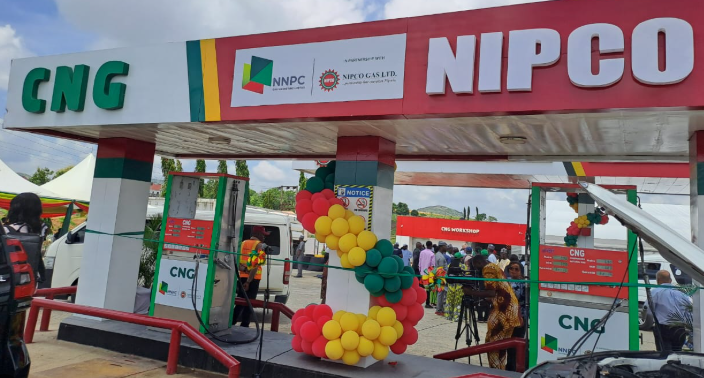
- Mandatory transition: Nigeria’s Presidential Initiative on CNG has proposed compulsory compressed natural gas conversion for all commercial transport fleets to counter petroleum subsidy shocks.
- Adoption challenges: High retrofitting costs, specialized training requirements, and a current scarcity of refueling stations present significant hurdles for operators ahead of enforcement deadlines.
- Economic benefits: Shifting to gas-powered engines lowers per-kilometer energy costs, helping stabilize urban commuter fares and reduce long-term operational overhead for fleet owners.
Abuja — Presidential Initiative on Compressed Natural Gas leadership proposed mandatory fuel conversion mandates for commercial transport fleets across Nigeria.
Program directors outlined the policy shift during a transport sector stakeholder briefing in the federal capital territory. Officials emphasized that transitioning mass transit fleets to gas-powered engines mitigates recurring petroleum subsidy shocks.
Adoption Hurdles and Infrastructure Deficits
Commercial transport operators face severe financial hurdles due to limited refueling stations and high conversion kit costs. Intercity drivers often wait hours in queues to access the few operational CNG dispensing pumps available.
Private investors are scaling up retail infrastructure across major highway corridors connecting Lagos, Ibadan, and Abuja. Expanded supply networks remain critical to sustaining commercial transport operations nationwide.
Fleet Economics and Passenger Fare Impacts
Soaring petrol pump prices severely inflated operational overhead for urban bus drivers and taxi operators. Compressed natural gas offers significantly cheaper per-kilometer energy costs, stabilizing commuter fares across metropolitan routes.
Fleet owners evaluate long-term maintenance savings despite upfront capital outlays required for engine retrofitting. Local mechanics undergo specialized training to handle gas cylinder inspections and safety certifications.
Regulatory Timelines and Conversion Compliance
Government transport regulators established enforcement committees to audit commercial vehicle compliance across designated conversion centers. Transport unions must transition their member fleets before upcoming statutory deadlines.
The formal transport union compliance review conference is officially scheduled for November 12, 2026.
What drove the push for mandatory CNG adoption in commercial vehicles?
The policy proposal addresses persistent fuel price volatility and high operational overhead for commercial drivers following subsidy removals. Mandating compressed natural gas and electric vehicle integration aims to lower transportation costs, reduce carbon emissions, and build a sustainable domestic energy ecosystem.
The final regulatory compliance framework will be published on November 12, 2026.