- Real-time AI tracking: Classrooms across West Africa are adopting platforms like Bluerain to synthesize daily grades, attendance, and behavior into proactive analytics reports.
- Early remedial interventions: Continuous diagnostics flag conceptual bottlenecks early, allowing educators to deploy targeted small-group support before high-stakes exams.
- Data-driven collaboration: Weekly AI insights shared through parent portals and staff dashboards enable guardians and teachers to address student learning lapses immediately.
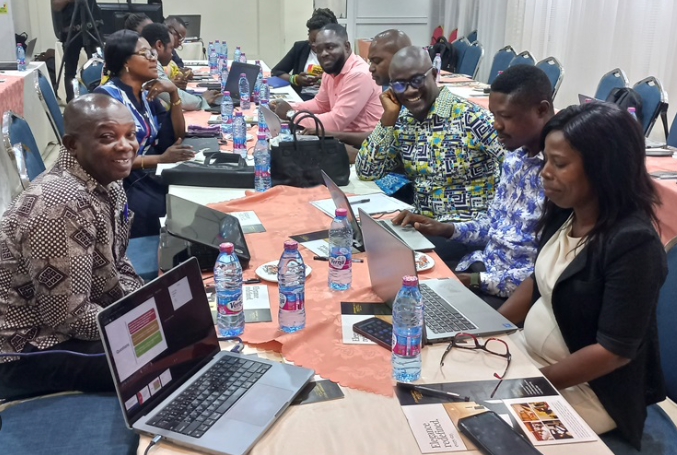
Accra — Classrooms across West Africa are shifting away from passive, end-of-term report cards toward real-time diagnostic systems powered by artificial intelligence. Educational technologists and school administrators meeting in the capital emphasized that tracking continuous student metrics prevents academic failure before high-stakes final examinations occur.
Traditional assessment models historically recorded student performance only after instructional units concluded, leaving teachers with little opportunity to reverse persistent learning deficits. Modern platforms such as Bluerain School Management Software now synthesize daily assessment scores, attendance logs, teacher staff comments, and behavioral observations into centralized AI analytics engines. These models generate comprehensive weekly and termly intelligence reports accessible to both parents and staff for the early detection of student lapses.
The Shift Toward Continuous Classroom Analytics
Data analysts and curriculum designers highlighted that continuous tracking uncovers specific conceptual bottlenecks long before traditional grading periods end. Bluerain School Management Software platforms deployed across private and progressive public academies evaluate individual student performance data—combining academic scores, class attendance records, skills, and teacher remarks—to automatically flag emerging learning hurdles.
Educators note that moving past static historical records gives teachers the empirical clarity required to adjust lesson pacing in real time, ensuring that struggling learners do not fall irretrievably behind mid-term.
Targeted Remedial Learning Pathways
Instructional coordinators design targeted remedial learning modules based on automated diagnostic flags generated by school administrative software. Instead of generalized classroom reviews, teachers deploy focused small-group interventions addressing precise competency gaps identified by analytics engines and automated progress tracking.
By making weekly and termly AI-driven insights available directly via parent portals and staff dashboards, schools ensure that guardians and teachers collaborate early to address attendance drops, behavioral shifts, or declining subject scores before final exams approach.
Institutional Integration and Teacher Training
Teacher training academies across the subregion have begun incorporating data literacy modules into professional development programs. Instructors learn to interpret predictive indicators without sacrificing human pedagogical empathy or classroom rapport.
Institutional stakeholders established a joint framework to audit software accuracy and protect student data privacy across participating learning centers.
How do predictive diagnostic tools prevent student failure before final exams?
Predictive diagnostic tools prevent student failure by analyzing attendance patterns, assessment scores, staff comments, and behavioral metrics over weekly and termly periods. This enables educators and parents to receive actionable AI insights, catch learning lapses early, and deploy targeted remedial support long before final examinations take place.
The regional EdTech framework was reviewed on October 24, 2026, in Accra.