
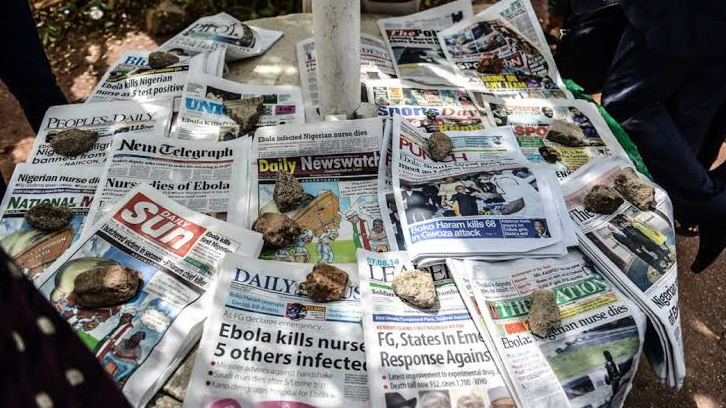
- Accelerated deterioration: Archivists across West Africa are urgently digitizing mid-20th-century newspapers before fragile, acidic newsprint decays beyond recovery in tropical humidity.
- Overcoming physical barriers: Projects like Archivi.ng combine high-resolution scanning with optical character recognition to transform scattered, unindexed archives into searchable digital infrastructure for local researchers.
- Sustaining regional memory: Preserving post-independence print records secures vital local context on politics and culture, preventing regional history from being lost or replaced by secondhand foreign accounts.
Lagos — Archivists, historians, and journalists are racing to scan and digitize fragile mid-20th-century newspapers across West Africa before brittle newsprint crumbles beyond recovery. In Nigeria, journalists behind the Archivi.ng project set out in December 2020 to preserve 18,627 days of newspapers spanning January 1, 1960, to December 31, 2010, after finding vital back issues deteriorating in poorly funded library shelves.
History disappears fast when records sit unindexed in physical stacks. If a reporter or student cannot search a 1976 Lagos report online, local memory gets replaced by secondhand accounts from foreign outlets. Digitizing mid-century print gives newsrooms and researchers local context instead of guesswork.
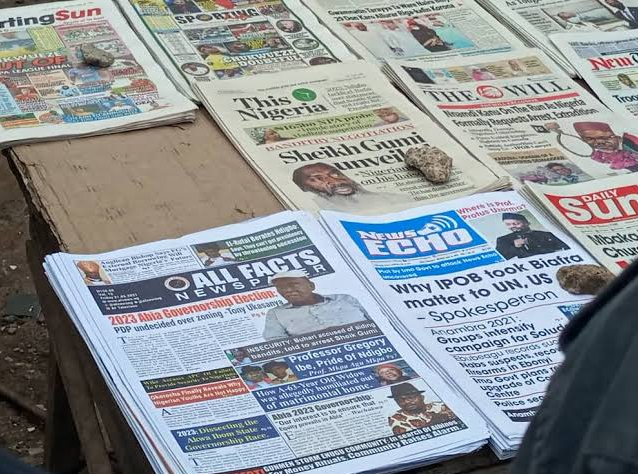
Why Fragile Newsprint and Dispersed Stacks Stall Access
Post-independence and mid-century West African newspapers—from titles like the Nigerian Daily Times and West African Pilot to regional magazines such as West Africa—captured daily debates on politics, business, education, and culture that no modern summary can replace. Yet physical copies remain scattered across state libraries, university collections, and overseas repositories such as the British Library and Stanford's Hoover Institution collaborations, while acidic paper decays in tropical humidity.
Dispersed holdings create a practical tax on reporting. A journalist in Lagos or Accra researching past policy shifts or civic movements loses days tracking down physical volumes that may be damaged, incomplete, or locked behind travel costs. Putting pages behind a scanner helps, but unsearchable image dumps still leave researchers flipping through hundreds of pages by hand.
How Imaging and OCR Turn Scans Into Searchable Records
Archival technicians and digitization specialists stress that usable digital archives start with careful handling, gentle flattening, and high-resolution scanning—often at 300 dpi or higher—followed by optical character recognition and layout preservation. Once OCR converts columns of old type into searchable text, scholars and reporters can query names, dates, and events across decades of print.
Technology alone does not finish the job. Faded ink, crooked columns, vernacular terms, and aged newsprint routinely trip up automated text recognition, forcing teams to pair machine processing with human review. Worse, a digitized archive that sits behind steep paywalls or fragile hosting fails the very students, teachers, and local reporters who need it most.
Practical Trade-Offs for Local Newsrooms and Archives
Building and maintaining public press archives requires steady funding for conservation supplies, storage servers, and editorial curation long after an initial scanning sprint ends. Projects like Archivi.ng have shown that small teams can mobilize quickly to capture back issues, yet sustaining open access demands long-term institutional backing.
For West African publishers and educators, preserving old print is not nostalgia; it is infrastructure for sharper reporting and stronger curricula. Work on the Archivi.ng newspaper archive project began in December 2020.
Why is digitizing historic print newspapers urgent for West Africa?
Digitizing historic newspapers is urgent because fragile newsprint is deteriorating while many post-independence records remain scattered in unindexed physical collections. Converting page scans into searchable digital text preserves local reporting on politics, society, and daily life, helping journalists, students, and researchers ground present-day coverage in verifiable regional history.
Archiving work on Archivi.ng began in December 2020.