
Lagos, Nigeria — August 30, 2026 — Global ride-hailing pioneer Uber confirmed the immediate wind-down of its operations in Nigeria and Uganda, effective Wednesday, September 2, 2026. The abrupt decision concludes a 12-year operational presence in Nigeria, where the multinational platform first introduced app-based urban transit to Lagos in 2014.
Company spokespersons cited a comprehensive internal portfolio review guiding future investment focus. Simultaneously, corporate leadership announced a global workforce reduction of roughly 3,300 roles—representing 10 percent of its total staff—to redirect capital toward automated driving infrastructure and autonomous robotaxi developments.
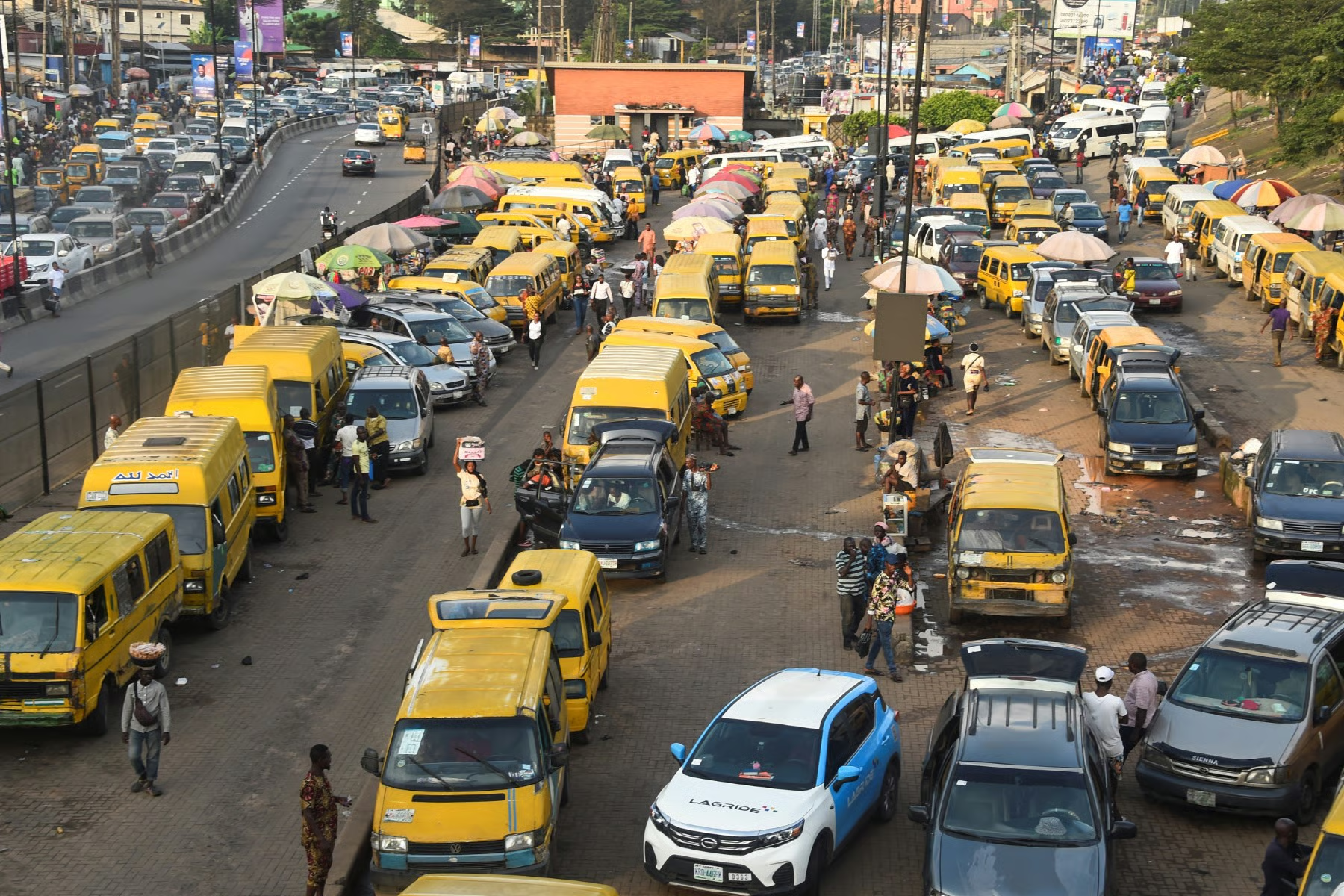
Local Driver Impacts and Commission Pressures
The sudden exit sends shockwaves through West Africa's gig economy, leaving thousands of drivers searching for stable alternative platforms. Local operators have long battled severe macroeconomic pressures, including persistent currency volatility, soaring fuel prices, and high vehicle maintenance expenses.
Unions and driver associations frequently contested Uber's 25 percent commission structure against meager take-home earnings. While rival applications like Bolt, inDrive, and Lagos-based LagRide absorb displaced drivers, the underlying operational costs remain difficult to navigate.
Regulatory Landscapes and Regional Retrenchment
Uber's continental footprint has contracted sharply over recent years, following prior withdrawals from Côte d'Ivoire and Tanzania due to regulatory friction and difficult unit economics. Industry analysts note that global technology giants are retreating from complex emerging markets to consolidate resources in high-margin regions.
Although regional management maintained that the latest closures are strictly limited to Nigeria and Uganda, the retreat underscores the widening gap between Silicon Valley profitability mandates and the harsh economic realities of urban transport across West Africa.
Transition Protocols and Consumer Alternatives
Active riders and registered drivers received formal electronic notifications detailing transition procedures and support mechanisms. Customer service channels and help desks will remain online through September 23, 2026, to resolve outstanding account queries and transaction balances.
Urban commuters in major hubs like Lagos and Abuja quickly pivot toward alternative digital transport providers. Regular city transit networks face increased demand as the regional digital mobility ecosystem recalibrates following the departure of its foundational player.
What drove Uber to shut down its operations in Nigeria and Uganda?
Uber shut down its operations in Nigeria and Uganda due to a strategic global restructuring that redirected capital toward autonomous vehicle development, alongside persistent operational challenges and razor-thin margins within those specific regional ride-hailing markets.
The complete cessation of service across both countries took effect on September 2, 2026.