
- Lost-wax mastery: Ancient West African kingdoms in Nigeria and Ghana utilized advanced metallurgical techniques and specialized guilds to forge intricate brass and bronze royal sculptures.
- Royal authority: Complex metal casting and hyper-realistic terracotta traditions evolved to validate dynastic rule, record genealogy, and honor ancestral monarchs.
- Repatriation and legacy: Museums currently negotiate the return of artifacts looted during the 1897 British expedition, while modern Nigerian sculptors continue practicing these ancestral traditions.
Ancient metalworkers across West Africa mastered complex metallurgical techniques to create breathtaking royal sculptures and ceremonial artifacts.
Kingdoms in present-day Nigeria and Ghana utilized the lost-wax casting method to immortalize monarchs and court dignitaries in brass and bronze.
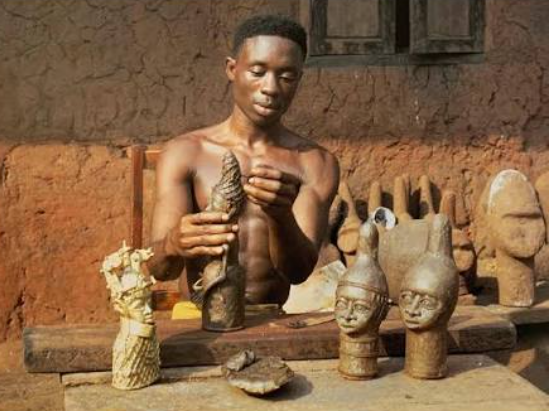
Royal Guilds And The Lost-Wax Process
Guild artisans in the ancient Kingdom of Benin carved intricate beeswax models before encasing them in refined clay molds.
Molten bronze poured into these heated molds melted away the wax, forming detailed royal plaques and commemorative portrait heads.
Terracotta Roots And Ife Naturalism
Before metal casting flourished, master sculptors in Ife shaped hyper-realistic terracotta figures that depicted elite royal personages.
Archaeologists discovered these extraordinary ceramic and metal treasures buried near palace courtyards across southwestern Nigeria.
Museum Repatriation And Global Heritage
Modern cultural institutions and international museums negotiate the formal repatriation of looted bronzes back to rightful royal custodians.
Contemporary Nigerian metal sculptors continue utilizing ancestral casting traditions within modern creative workshops across Lagos and Ibadan.
Why did intricate bronze casting traditions evolve across West Africa?
Bronze casting evolved to visually validate royal authority, record dynastic genealogy, and honor ancestral monarchs within centralized kingdoms. Specialized guilds perfected advanced metallurgical methods to produce durable, highly expressive metal artworks that symbolized political power and spiritual continuity across generations.
British military forces looted thousands of royal brass and ivory artifacts during the punitive expedition against the Kingdom of Benin in February 1897.