
Nairobi, Kenya — September 3, 2026 — Infrastructure authorities confirmed the successful completion of 120 kilometres of newly tarmacked roads across Kuria East Constituency, creating an essential trade and tourism corridor connecting western Kenya directly with the Maasai Mara National Reserve. The milestone infrastructural rollout eliminates historical transit bottlenecks that previously restricted smooth vehicular movement toward premium eco-tourism camps and historical heritage assets.
Tour operators and regional hospitality investors report an immediate surge in inquiry volumes for high-end bush safaris and cultural excursions. The upgraded transportation network integrates remote trading centers such as Kegonga and Ntimaru with major trunk highways, drastically cutting travel times for international visitors arriving from Nairobi or regional airstrips.
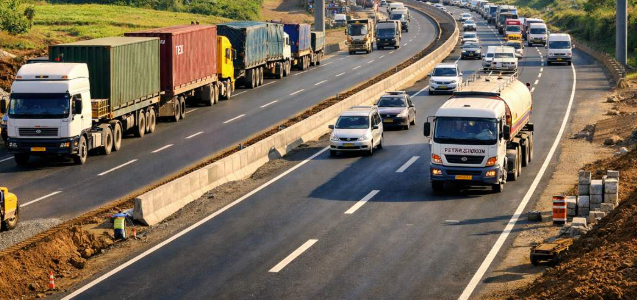
Destination Yield Economics and Regional Connectivity
The newly paved arterial paths significantly lower vehicle maintenance expenses and transit times for luxury shuttle fleets operating between Nairobi, Migori, and the wider Mara ecosystem. Premium safari lodges located near the Mara Triangle anticipate higher forward booking numbers as predictable road networks remove logistical friction for high-net-worth travelers.
Local county economic analysts note that improved infrastructure increases property values and attracts private capital commitments toward hospitality real estate. Investors view the improved transit corridor as a vital catalyst for upscale eco-resort developments and boutique hospitality projects throughout the region.
Heritage Tourism Integration and Cultural Assets
Beyond wildlife safaris, the upgraded road network improves traveler access to the UNESCO World Heritage Site of Thimlich Ohinga, positioning the stone-walled settlement as a primary anchor for cultural tourism. Heritage tour operators are curating specialized itineraries that combine Maasai Mara wildlife viewings with immersive historical tours across western Kenya.
Regional authorities are concurrently advancing design plans for modern bridge upgrades at Remuchuni, Gibagiri, and Remokong'u to ensure year-round traffic flow during peak seasonal rains. These structural improvements reinforce the long-term viability of multi-destination itineraries favoured by international leisure guests.
Logistics Synergy and Supply Chain Optimization
Luxury safari camps operating within the greater Mara ecosystem rely heavily on seamless supply chains for fresh organic produce, gourmet provisions, and technical maintenance equipment. The new asphalt corridors enable dependable daily cargo deliveries from agricultural hubs straight to remote wilderness lodges.
Hospitality groups maintain strict sustainability benchmarks, coordinating with local county representatives to ensure that increased commercial traffic preserves surrounding wildlife corridors. Industry analysts project substantial revenue growth across western Kenya's tourism supply chain through the conclusion of the fiscal year.
What drove the recent infrastructure and tourism access rollout in Kuria East?
The recent infrastructure and tourism access rollout in Kuria East was driven by the completion of 120 kilometres of newly tarmacked roads, strategic government investments to unlock rural commerce, and rising demand for reliable transit links connecting western Kenya to the Maasai Mara.
Preferential corporate safari partnership allocations and seasonal lodge rates close on September 30, 2026.