
BRUSSELS, Belgium — Cooler weather and rainfall on Monday, August 17, 2026, aided firefighters battling Belgium's largest wildfire on record in the High Fens nature reserve near the German border. The blaze, which has scorched approximately 3,000 hectares (7,400 acres) of moorland, peat, and woods, prompted international emergency assistance and multi-national coordination over the weekend.
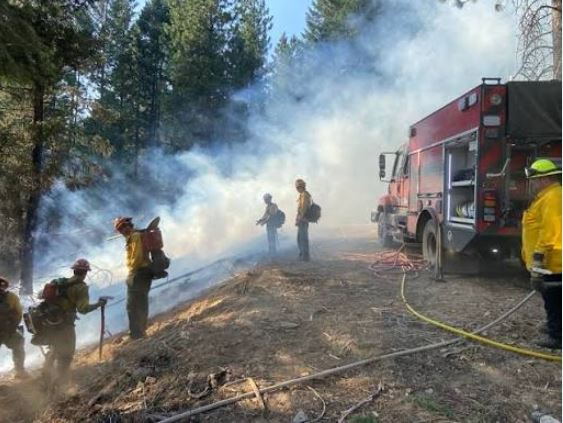
Belgian weather agency IRM reported between 5 and 9 millimeters (0.2 to 0.35 inches) of rain fell across the eastern region, helping lower local temperatures to around 20 degrees Celsius (68 degrees Fahrenheit) after a severe heatwave pushed readings to 37 degrees Celsius. Around 500 firefighters from Belgium, Germany, and Luxembourg, supported by military helicopters and local farmers, worked to contain the flames.
Devastation Across Southern Europe
While northern European blazes saw temporary relief, southern regions experienced catastrophic losses over the weekend. On the Greek island of Salamis near Athens, two people died during intense forest fires that triggered the emergency evacuation of more than 500 residents and beachgoers via coast guard patrol boats.
In northeastern Spain, a soldier died while assisting operations against a massive wildfire in the Aragon region. That blaze consumed 16,600 hectares, forcing regional authorities to deploy the largest firefighting arsenal in local history, backed by 40 aircraft and international reinforcements from France.
Broad Environmental Impact and Statistics
Data from the European Forest Fire Information System indicates that wildfires have burned 576,000 hectares (2,225 square miles) across the continent so far this year, an area twice the size of Luxembourg. Climate scientists note that prolonged droughts combined with tinder-dry vegetation have exacerbated the seasonal fire risk.
European Union civil protection mechanisms continue to coordinate water-dropping aircraft deployment across high-risk zones as emergency services remain on high alert through the remainder of August.
What factors worsened the recent European wildfires?
The recent severe European wildfires were worsened by successive intense heatwaves driven by climate change, which created tinder-dry vegetation conditions, prolonged droughts, and high winds that allowed flames to spread rapidly across multiple countries.
European civil protection authorities and regional emergency services are scheduled to review cross-border firefighting resource allocations during a joint operational briefing on August 20, 2026.