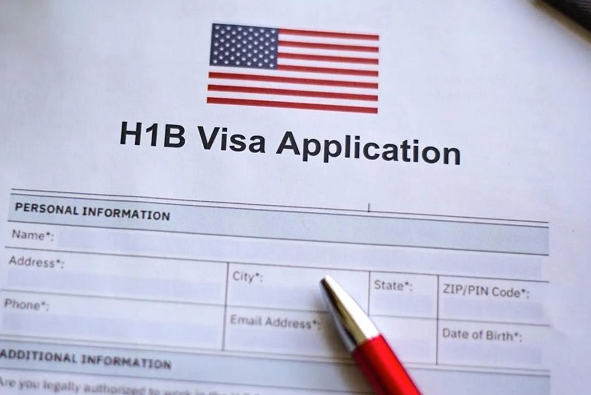
- Mandatory digital disclosure: Form DS-160 requires applicants to supply five years of public social media usernames, which consular officers thoroughly vet using advanced search tools and third-party databases.
- Immediate disqualifiers: Content endorsing political violence, hate speech, terrorist affiliations, illegal activities, or disrespect toward U.S. laws and leadership triggers instant visa rejections.
- Strict transparency enforcement: Deleting accounts, restricting privacy settings, or casually engaging with controversial posts and memes during the evaluation window raises severe suspicion and jeopardizes approval.
Under current U.S. visa regulations, applicants must provide all social media usernames used within the past five years when completing Form DS-160. Furthermore, consular guidelines expect these digital profiles to remain fully public during the evaluation window.
Consular officers conduct deep digital screenings. This process involves reviewing online activity, executing search engine queries, and utilizing third-party investigative tools like LexisNexis. Such measures form part of a broader mandate for thorough vetting designed to spot potential security threats or immigration infractions early.
Any deliberate attempt to hide, delete, or restrict access to online accounts during this review period immediately raises suspicion. Digital footprints now serve as core benchmarks for immigration authorities assessing the character and credibility of foreign nationals.
Content Categories That Jeopardize Approvals
Certain types of online content trigger automatic red flags during consular evaluations. Endorsing or promoting political violence, revolutions, or militant actions marks applicants as potential security risks. Similarly, posts featuring antisemitism, Holocaust denial, or related conspiracies result in immediate visa rejections.
Any digital connection to terrorist networks such as ISIS, Al-Qaeda, Hamas, or Hezbollah ends the application process instantly. Content that mocks American laws, leaders, or cultural norms also signals non-compliance with U.S. standards. Furthermore, photos depicting illegal activities like drug use, weapons handling, or gang affiliation provide clear evidence of criminal conduct.
What drove the recent shift in U.S. visa social media screening?
U.S. immigration authorities tightened digital vetting protocols to improve national security enforcement. By mandating five years of public social media usernames on Form DS-160, consular officials can thoroughly evaluate applicant credibility, uncover hidden security risks, and verify compliance with federal entry requirements prior to visa issuance.
Even casual interactions carry weight. Sarcastic remarks, edgy memes, or simply ’liking’ a controversial post can be misinterpreted by reviewing officers. Applicants must also maintain transparent digital footprints, as entirely private profiles or missing histories generate severe doubts. Consular screening for Form DS-160 compliance remains strictly enforced for all filings submitted by December 31, 2026.